01
The Reset
Every trace, removed
Spiders, webs, and droppings cleared from dock, boat, lift, rails, and canopy — down to the corners you would never reach.
 Arrange a visit
Lake Lanier · North Georgia · Waterfront only
We clear the spiders, the webs, the droppings — then see they stay gone. Your only task is showing up.
The problem
A covered dock offers everything a spider could want — light, insects, shelter, and a thousand places to anchor. Sweep the webs and they rebuild by your next visit.
The cycle does not end with a broom.
It ends at the anchor point.
Field footage · Lake Lanier
An orb weaver holds the dock line, after dark.
The system
One visit resets your dock. The system keeps it that way.
01
Every trace, removed
Spiders, webs, and droppings cleared from dock, boat, lift, rails, and canopy — down to the corners you would never reach.
02
Deny the anchor
Fitted netting removes the anchor points spiders depend on. They cannot settle, so they move on. No anchor, no web.
03
Care on a schedule
Optional maintenance visits, paced to the lake's seasons. Your dock stays ready while you think about other things.
Arrangements
One-time
A single, meticulous reset for docks that need rescuing.
Flagship
Recurring care tuned to the rhythm of the lake.
Field notes
Safety
Rarely. Orb weavers, fishing spiders, and wolf spiders look imposing but want nothing to do with you. The genuine caution: widows and recluses favor dark storage boxes — look before you reach.
Prevention
Warm LED bulbs draw fewer insects than bright white, and fewer spiders follow. Spraying and pressure washing clear the web, not the tenant — they rebuild from sheltered joints and cables. Lasting control treats where they hide, not what you see.
Habitat
Water draws insects, dock lights draw more, and every rail and cable is an anchor point. Activity peaks late spring through early fall, when webbing returns within days. Your dock is not unlucky. It is ideal habitat.
About
Spidersperts is not a pest company that happens to visit docks. We work exclusively on the water — docks, boats, lifts, rails, and canopies across Lake Lanier and North Georgia. Locally owned and run, with safe methods, prompt scheduling, and a standard of finish you will notice in the corners.
Tell us where your dock is. We will take it from there.
Drag and drop to feed the spiders
Dew — drag onto a web
Collect 26 more spiders to reach Level 2
0 matured · Level 1/20 · 502 to win
Sound
Field guide
Game instructions
The colony has fallen
Game Over
The young are gone and the webs have fallen quiet. Something reached in from the dark and took what was left.
Level 20 cleared
The Colony Thrives
502 spiders raised to maturity against moth and storm. The dock is theirs now — and tonight the players take the stage.
Field guide · 1 / 10

The dock, after dark
The webs behind this site are alive, and they are hungry. Raise the colony to 502 grown spiders and the dock is theirs. The ledger keeps count on the left; the bar above tracks the climb through twenty levels.
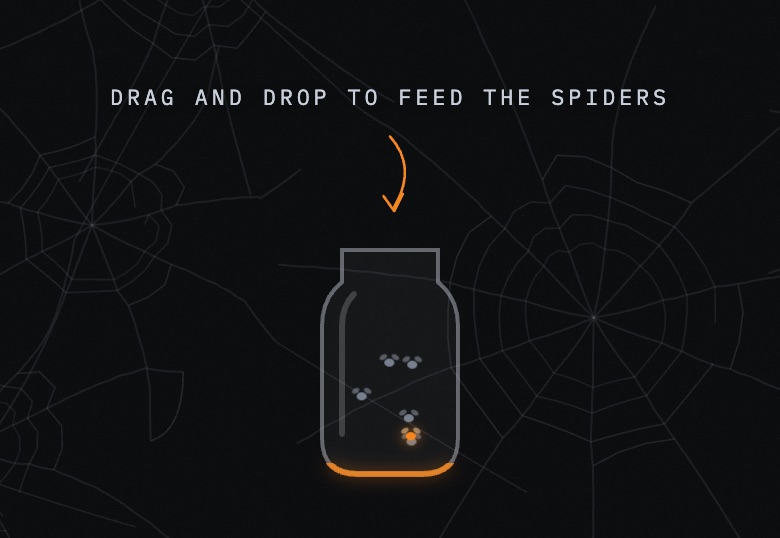
Feed the spiders
Press the jar, draw a fly out, and drop it on silk. The nearest spider with a road to it will come at a run. Miss the web and the fly buzzes off to blunder into one on its own — a bad throw is forgiven, not wasted.
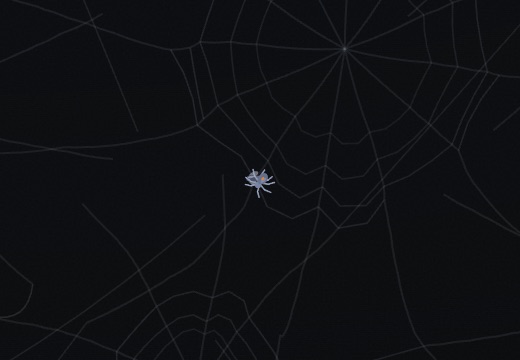
The wrap
A caught fly is spun into a bundle in seconds. Every wrap counts one toward the bounty, wild or served — but only fed flies bead the dew. Leave a fly hanging too long and it tears free — counted lost.
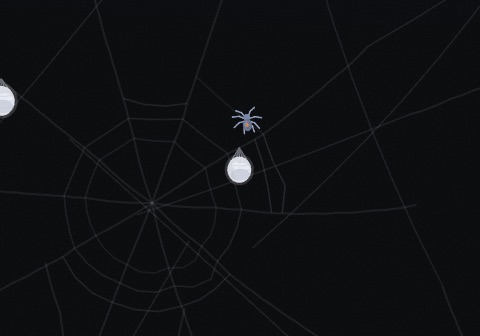
Egg sacks
Ten fed flies wrapped by one senior bank an egg sack. It hangs for a minute, then hundreds of spiderlings balloon out and fifty settle to stay. The young spin, mend and grow — but only the grown count toward 502.
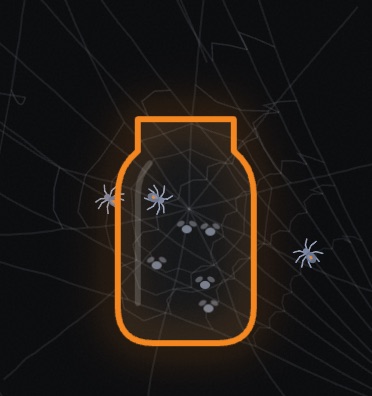
Tip the jar
An ember line charges up the glass over half a minute. When it reaches the lid, tap the jar and the whole jarful pours out at once. The jar grows with the colony — a bigger dock keeps a bigger jar.
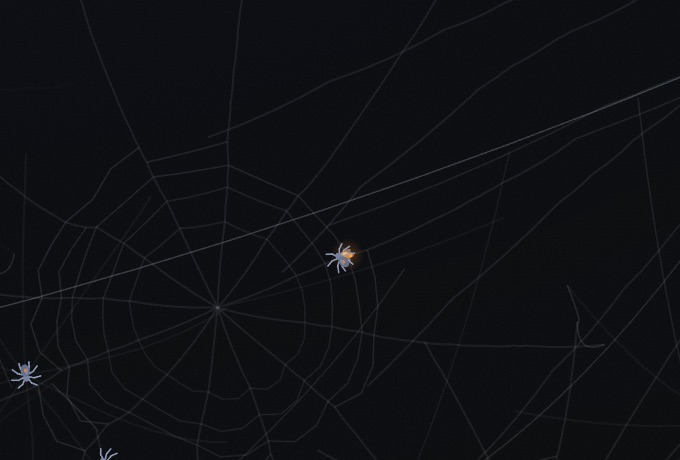
The golden fly
The day's first jar holds a golden fly, and it returns every few refills after. It never tears free of a web, so place it with care — wrapped, it is worth three ordinary flies toward an egg sack.
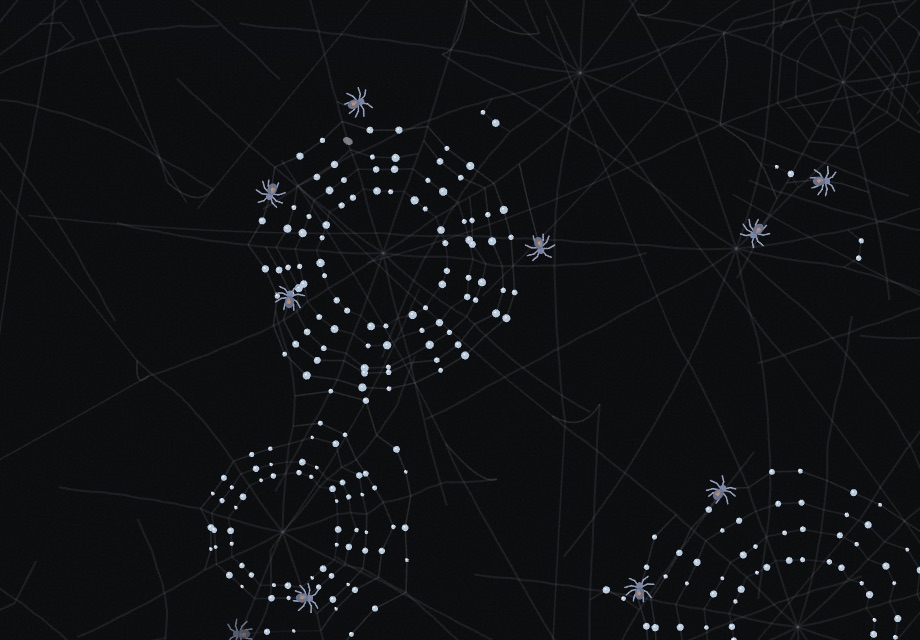
Morning dew
Twelve fed catches gather one drop on the sill. Drag the full drop onto a web and the silk beads over, holding fast for two minutes — nothing escapes it, and no storm tears it down. A drop once earned is never lost.
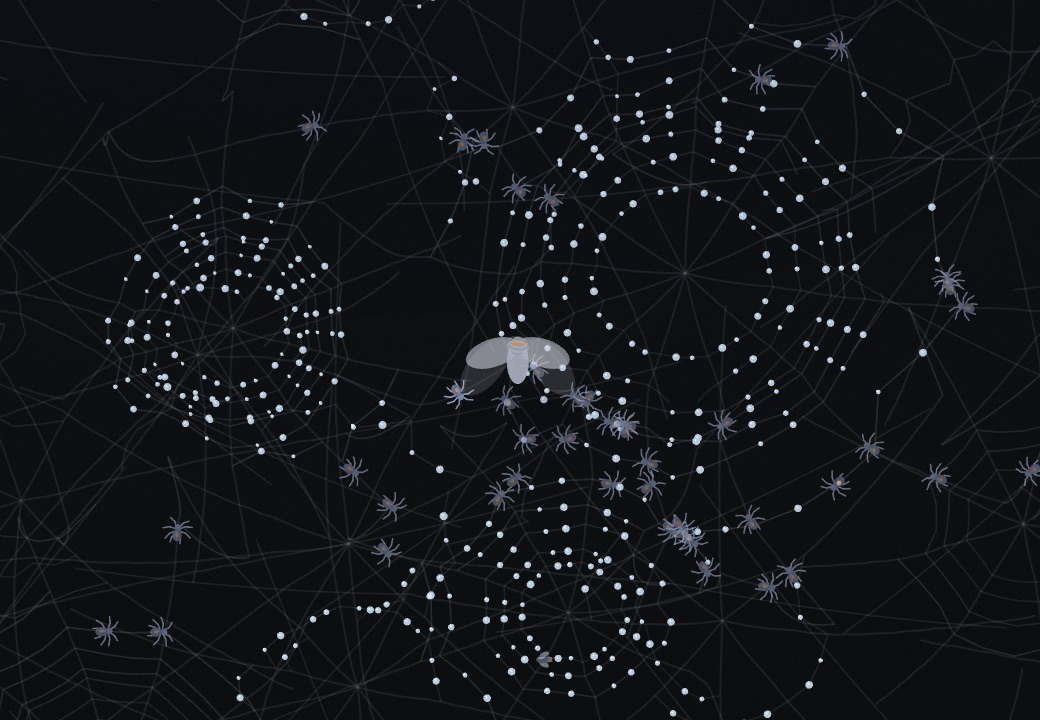
The great moth
When the jar flies panic, look up: something heavy is coming, and it lands on your fullest web. Only dewed silk can hold it. Held, every spider in reach swarms to wrap it — ten to the bounty, ten beads of dew, and a great bundle the young feed on for days.
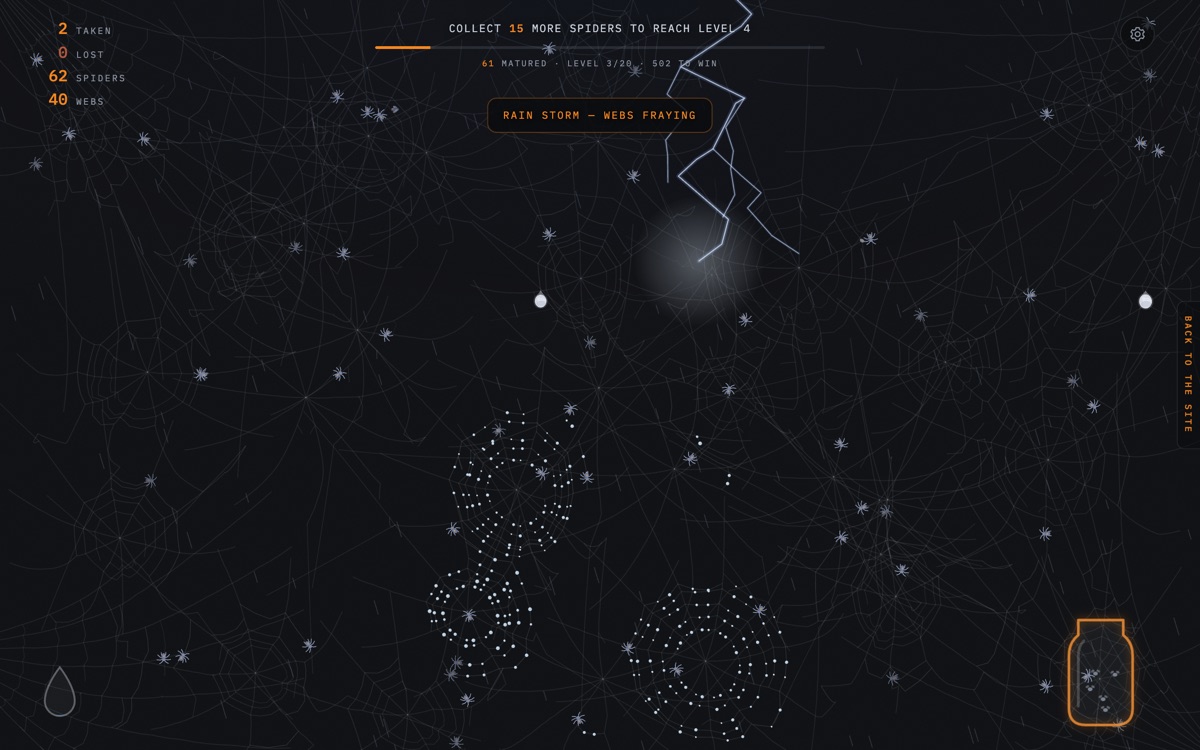
Storms and hunters
Each level brings new trouble — rain and lightning, rogue moths, hunting wasps, a fisherman's lure, gales. Dew shrugs most of it off. And even in fair weather a web grows old in about four minutes; the spiders simply spin on.
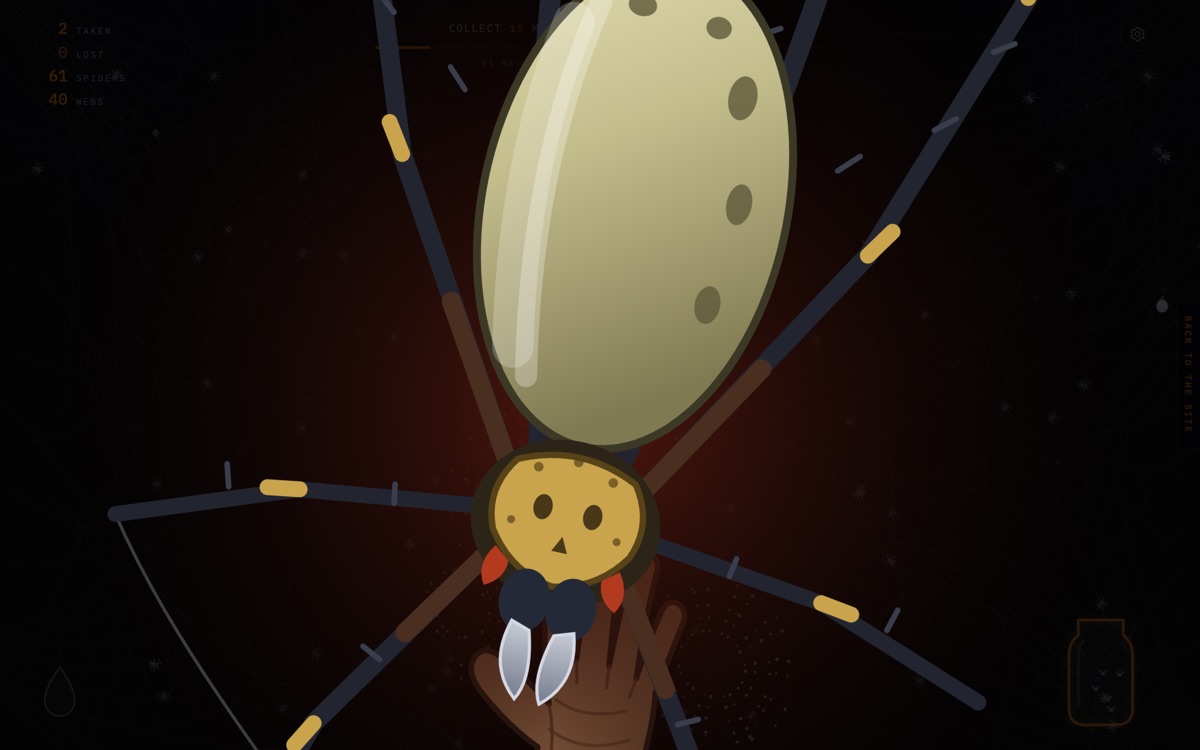
Do not let it fall
If the colony dies back to nothing, something reaches in from the dark, and the run is over. Spend the golden fly well, keep a drop of dew for the storm you cannot see yet, and take the moth when it comes. 502 raised, and the dock is theirs.
First visit
Take the dock home
You are seeing the dock through a browser — a much larger world, and a harder one. The field runs the full size of this window: webs sit farther apart, strays fly longer roads, and a young colony spends its strength crossing all that open water. Scale is the whole game.
Chrome will set a smaller dock on your home screen: on a phone, open the ⋮ menu and choose Add to Home screen. On a computer, the install mark waits at the right end of the address bar. The installed dock is small, close, and kind to a growing colony.
